Read the light in the space.
Optics & distribution
A fixture’s form and its light distribution describe different things. Compare where the beam reaches with where people sit, stand and move. Review the intended task, the surrounding surfaces and the visible brightness of the fitting together.
Colour & material
Colour temperature describes the appearance of the light; colour rendition concerns how materials appear under it. Compare the proposed source with the actual finishes and at the dimming levels intended for the room.
Comfort in use
Look at the fitting from the positions people will occupy. Review the task surface, background and any reflections together. These observations help connect the fitting with the complete lighting solution.
Keep the fitting and its detail together.
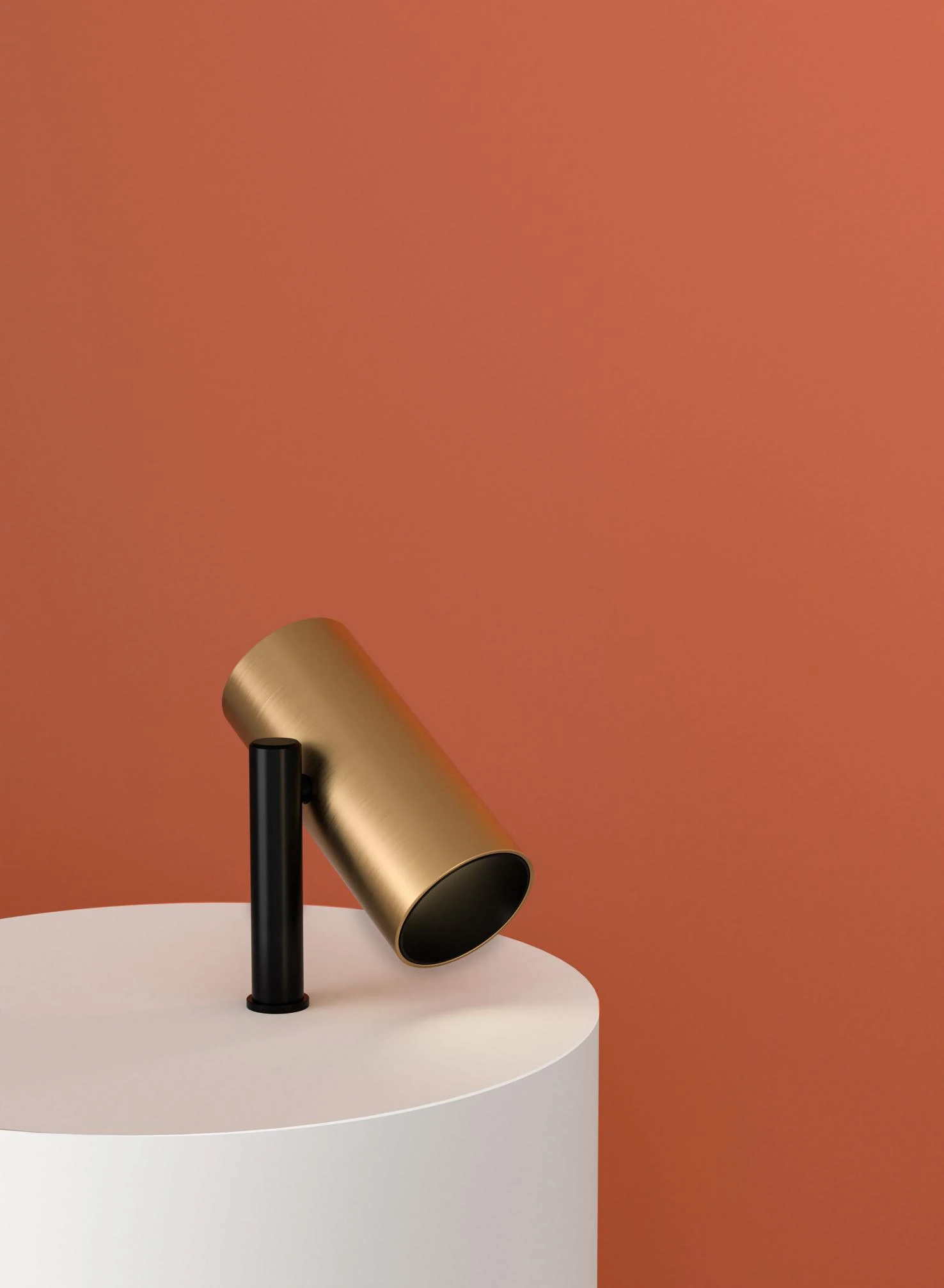 Aim, shielding and the view from the room.
Downlights & spotlights
A useful downlight or spotlight shortlist records the proposed fitting, optic, mounting detail and driver together. Compare the aperture, cut-out and ceiling clearance with the drawing, then review the beam and visible brightness from occupied positions. Keep the selected finish, colour specification and dimming combination with that record so later decisions refer to the same fitting.
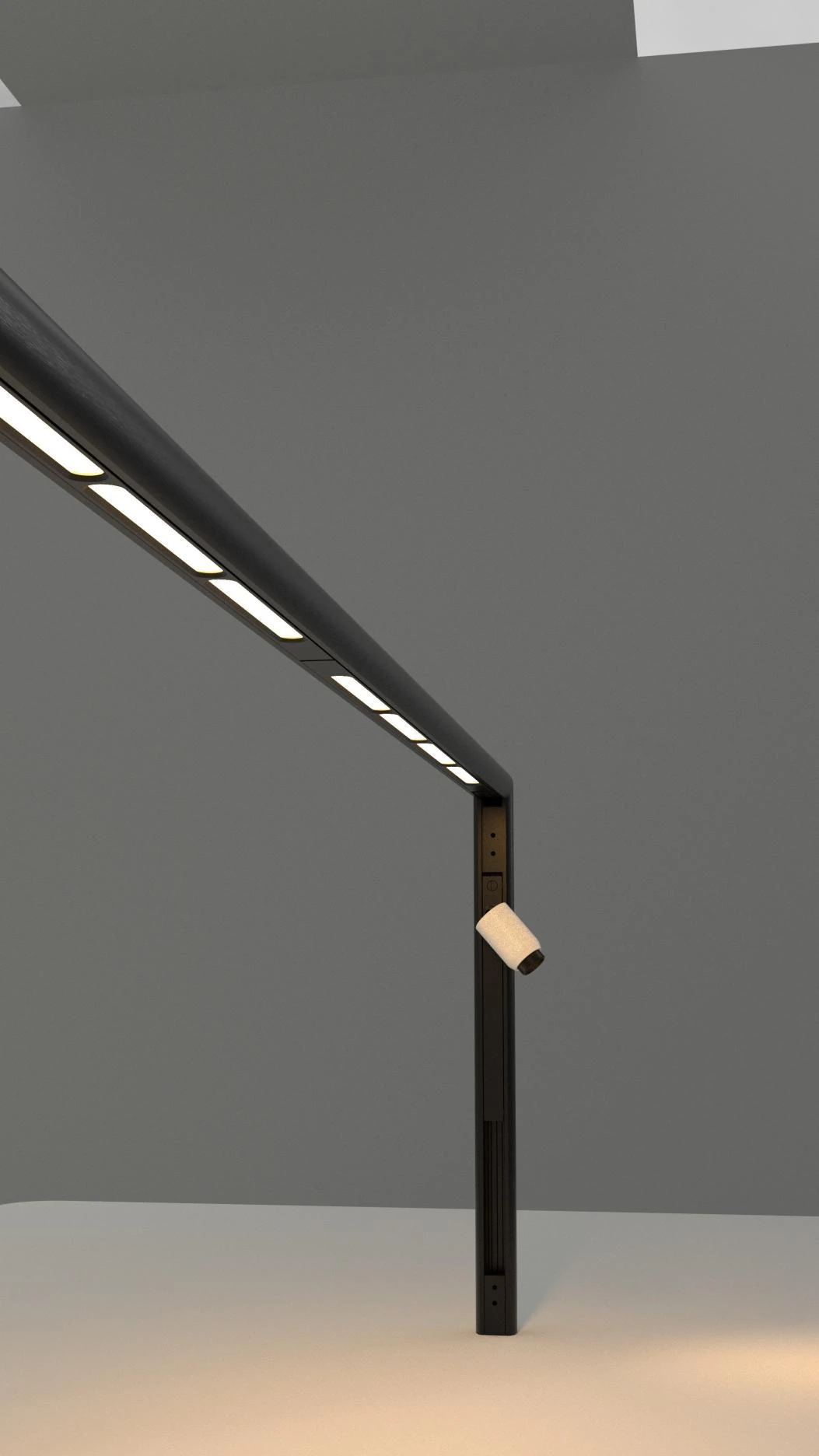 A lighting system that follows the space.
Small aperture. Full mounting detail.
A compact ceiling opening still needs space behind it. One recessed mounting detail uses a 35 mm cut-out, a 70 mm flange and a 65 mm depth. We resolve the selected fitting, driver access and ceiling build-up together, before the aperture is repeated across a commercial space.
Track & linear lighting
Enlighto provides slim 48 V magnetic track solutions with spot and diffuse lighting modules. We resolve the track, power supply, fittings and intended dimming together for the selected combination.
Review the proposed track or linear arrangement as a complete system. Record the compatible fittings and connections, profile or track dimensions, mounting method, driver location and intended control behaviour. For suspended or joined sections, include the relevant drawing. Confirm these details against the selected system’s documentation before repeating the arrangement across the space.
 A closer layer of light.
From specification to the space.
One focused 48 V track-light example combines 10 W input with 900 lm output and a choice of 15°, 24° or 36° optics. A narrow beam can concentrate attention on a display; a wider beam can cover a broader subject. Mounting height, aiming and the surrounding light decide which is useful.
- Colour options
- 2700 K, 3000 K or 4000 K, with CRI ≥90 for this example. Compare the chosen white and rendering with the actual materials.
- Control options
- DALI-2, 0–10 V and Zigbee are specified options for the system. Resolve the exact driver, module and control combination together.
- System fit
- A 48 V rating alone does not establish interchangeability. Check the track profile, module interface, power supply and connections as one selected system.
Decorative & pendant lighting
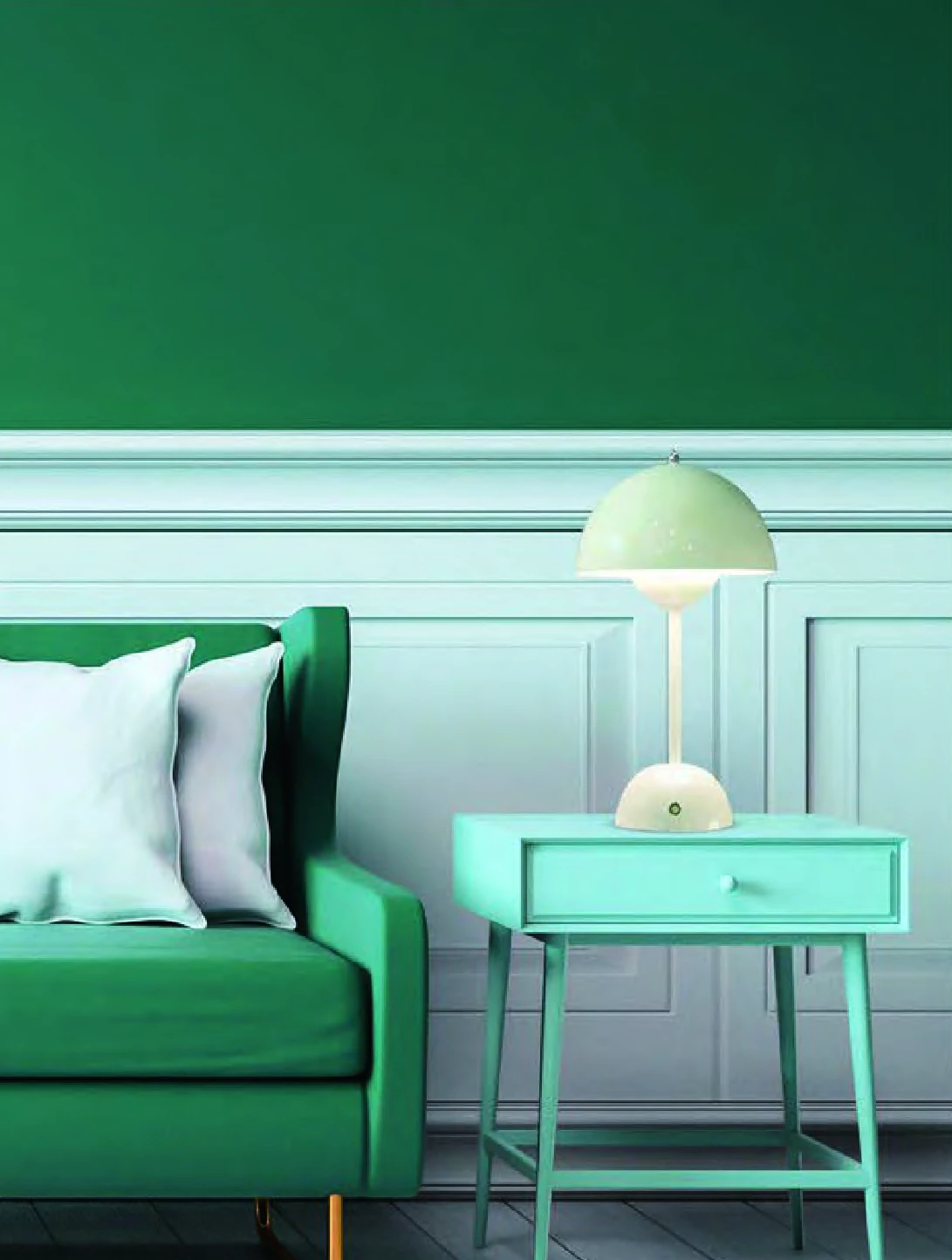
Bring the pendant’s dimensions, suspension detail, finish and light distribution into the room’s material review. Consider its relationship to furniture and seated sightlines alongside the supporting task and accent lighting. Record the proposed source, driver and dimming arrangement with the approved photograph or drawing so the decorative choice stays connected to the lighting solution.
Read the light alongside the space.
From requirement to outcome
The existing project stories connect the requirement, technology, selection and intended outcome. Read the supplied project photographs alongside those stages, paying attention to which materials, activities and views each lighting choice is intended to support.
Photographs & concept studies
The supplied project photographs retain their existing credits. The architectural light study, thermal-path illustration and lighting comparison remain identified as illustrations or concept studies. Range imagery shows lighting possibilities in context. They help explain an approach; they do not establish the measured performance or installed specification of a particular fitting.
Product detail
Keep dimensions, finish options, optics and control information connected to the exact proposed fitting. Review the drawing and supporting documentation alongside the room’s materials, mounting conditions and intended use.